top of page

LEMON SQUEEZY

Arts, Crafts & Motherhood

Search

Life with two little ones under two can feel like a whirlwind. The days blur together, filled with feeding, changing, soothing, and trying to catch a breath. It’s easy to feel overwhelmed, stretched thin, and unsure how to find your footing. But what if you could find a way to bring calm into the chaos? To create moments of peace that help you recharge and reconnect with yourself and your family?


This post is about exactly that. I want to share practical, gentle ways to find balance when life feels anything but balanced. Because you deserve to feel supported, grounded, and hopeful even on the toughest days.


Understanding Stress Relief for Parents: Why It Matters


Parenting young children is joyful, but it’s also demanding. When you have two under two, the challenges multiply. Sleep deprivation, constant attention, and the pressure to “do it all” can lead to burnout. Stress doesn’t just affect your mood, it impacts your health, your relationships, and your ability to be present.


Recognising the importance of stress relief is the first step. It’s not selfish to take time for yourself. It’s essential. When you care for your own well-being, you’re better equipped to care for your children. You model calm and resilience, teaching them how to handle life’s ups and downs.


Here are some simple ways to start easing stress today:


  • Breathe deeply: Even a few slow breaths can reset your nervous system.

  • Set small goals: Focus on one task at a time to avoid overwhelm.

  • Ask for help: You don’t have to do everything alone.

  • Create mini rituals: A cup of tea, a moment by the window, a quick stretch.


These small actions add up. They build a foundation for more peace in your daily life.


Eye-level view of a cosy corner with a steaming cup of tea and a soft blanket

Practical Stress Relief for Parents: Finding Your Moments of Calm


Finding balance means carving out moments that feel manageable and meaningful. It’s not about perfection or having everything under control. It’s about discovering what works for you and your family.


Here are some practical ideas to help you find calm in the chaos:


1. Create a Simple Routine


Young children thrive on routine, and so do parents. A predictable schedule reduces uncertainty and helps everyone feel more secure. It doesn’t have to be rigid just a loose plan for meals, naps, and playtime.


2. Use Mindful Moments


Mindfulness isn’t about sitting still for hours. It’s about being present in the moment. When you’re changing a nappy or rocking your baby, try to focus fully on that experience. Notice the softness of their skin, the rhythm of their breathing. These moments can become tiny islands of calm.


3. Prioritise Sleep


Sleep is a precious commodity. While it’s tough with little ones, try to rest when you can. Nap when the babies nap, and consider sharing night duties if possible. Even short bursts of rest help your body and mind recover.


4. Connect with Others


Isolation can increase stress. Reach out to friends, family, or online communities. Sharing your experiences and hearing others’ stories reminds you that you’re not alone.


5. Move Your Body


Physical activity releases tension and boosts mood. It doesn’t have to be a workout just simply dancing with your toddler, stretching, or a short walk outside can make a difference.


By integrating these steps, you build resilience. You create a buffer against the daily pressures.


Close-up view of a baby’s soft toys arranged neatly on a shelf

Embracing Emotional Honesty: It’s Okay to Feel What You Feel


Parenting is a rollercoaster of emotions. You might feel joy, exhaustion, frustration, love, and doubt all in the same hour. It’s normal. It’s human.


Allow yourself to feel without judgement. When you acknowledge your emotions, you reduce their power over you. Talk to someone you trust or write down your thoughts. Sometimes, just naming what you’re feeling can bring relief.


Remember, you don’t have to be perfect. You don’t have to have all the answers. You’re doing your best, and that is enough.


How Kalm In Chaos Can Support You


Finding balance is a journey, not a destination. Sometimes, you need a little extra support. That’s where kalm in chaos 1 comes in. It’s a resource designed with parents like you in mind offering expert advice, practical tips, and a community that understands the unique challenges of early parenthood.


Whether you’re looking for strategies to manage tantrums, ways to improve sleep, or just a place to feel heard, Kalm In Chaos is here to help. You don’t have to navigate this season alone.


Small Steps Lead to Big Changes


When life feels overwhelming, it’s tempting to want a quick fix. But real balance comes from small, consistent steps. Celebrate the little victories a peaceful nap, a smile from your toddler, a moment of quiet.


Try to be gentle with yourself. Progress isn’t always linear. Some days will be harder than others. That’s okay. Keep coming back to your breath, your routine, and your support network.


You are stronger than you think. You are doing an incredible job.


Finding Your Own Rhythm


Every family is different. What works for one might not work for another. The key is to experiment and find your own rhythm. Maybe it’s a morning walk, a bedtime story ritual, or a weekly catch-up with a friend.


Keep tuning in to what feels right. Adjust as your children grow and your needs change. Balance is dynamic, not static.


Above all, remember that calm is possible even in chaos.


Finding balance with young children is a challenge, but it’s also an opportunity to grow, learn, and connect deeply with your family. Use these ideas as a starting point. Reach out when you need support. And trust that you can find your way through the beautiful, messy journey of early parenthood.



The Importance of Long-Term Recovery


When people talk about life after having a baby, they often focus on the first few weeks or months. But the truth is, postnatal recovery does not end after the newborn stage. For many mothers, it can take up to two years for the body to fully heal and for hormones to rebalance. Understanding this changes everything. It shifts the expectation from quick recovery to long-term care. It reminds you that what you are feeling months down the line is still part of the postnatal journey.


The Body Needs Time to Heal


Pregnancy and birth place a huge demand on the body. Muscles stretch, organs shift, blood volume changes, and energy stores are used up. Even when the outside looks like it has returned to normal, your body is still rebuilding internally. Your pelvic floor, core strength, and overall physical energy can take many months, sometimes years, to fully restore. This is why ongoing self-care is essential. Not just in the early days, but well beyond them.


Understanding Physical Changes


The physical changes your body undergoes during pregnancy and childbirth are profound. You may notice lingering discomfort or fatigue long after the baby arrives. This is normal. Your body has been through a lot. It’s important to listen to it and give it the care it needs.


The Role of Nutrition


Nutrition plays a vital role in recovery. Eating balanced meals can help replenish your energy and support healing. Make sure to include plenty of fruits, vegetables, whole grains, and proteins in your diet. Hydration is equally important. Drink enough water to keep your body functioning optimally.


Hormonal Balance Does Not Happen Overnight


After birth, hormone levels drop rapidly. This sudden shift can affect mood, energy, sleep, and emotional regulation. For many women, hormones continue to fluctuate for a long time, especially if breastfeeding, experiencing broken sleep, or dealing with ongoing stress. It can take up to two years for hormones to settle into a more stable rhythm. During this time, it is normal to have days where you feel unlike yourself.


Supporting Your Hormonal Health


Self-care during this stage is about supporting your nervous system, reducing overwhelm, and giving your body what it needs to find balance again. Consider practices like yoga or meditation. These can help calm your mind and restore your emotional equilibrium.


Emotional Recovery Is Part of Healing


Postnatal self-care is not only physical; it is deeply emotional. You are adjusting to a new identity, new responsibilities, and often a new version of your life. This can bring joy, but also grief, confusion, and exhaustion. Many mothers feel pressure to move on quickly, to get back to normal. But there is no going back to who you were before. There is only moving forward and integrating who you are becoming.


The Importance of Processing Emotions


Giving yourself time to process this is a powerful form of self-care. Allow yourself to feel your emotions. It’s okay to grieve the loss of your old self while celebrating the new you. Journaling or talking to a trusted friend can help you navigate these feelings.


The Hidden Load of the First Two Years


The first two years often come with constant demands. Night waking, feeding, developmental changes, and emotional needs can feel never-ending. This level of responsibility can keep your body in a state of high alert. Over time, this can lead to burnout, irritability, and feeling disconnected from yourself.


Recognising Signs of Burnout


It’s crucial to recognise the signs of burnout. If you find yourself feeling overwhelmed, irritable, or exhausted, it may be time to step back and reassess your self-care routine.


What Self-Care Really Looks Like


Postnatal self-care is not about perfection or having everything together. It is about small, consistent acts of support. It can look like resting when you can, even if the house is not perfect. It can be eating regularly, staying hydrated, and asking for help without guilt.


Simple Acts of Kindness


It can also be taking moments to breathe, step outside, or simply pause during the day. These small actions help your body feel safe, supported, and able to recover. Remember, self-care is not selfish; it is essential.


Letting Go of Unrealistic Expectations


One of the biggest barriers to self-care is the belief that you should be back to normal quickly. The idea that you should bounce back physically, emotionally, and mentally places unnecessary pressure on mothers. When you understand that healing can take up to two years, you begin to treat yourself with more patience and compassion. You stop rushing the process and start supporting it.


Embracing Your Unique Journey


Each mother’s journey is unique. Embrace yours. Allow yourself the grace to heal at your own pace.


Support Is Not Optional


You were never meant to do this alone. Whether it is family, friends, community, or professional support, having people around you makes a difference. If support is limited, even small connections can help. A conversation, a shared experience, or simply being heard can reduce the weight you are carrying.


Building Your Support Network


Self-care sometimes means allowing others to care for you. Reach out and build your support network. It can be a game-changer in your recovery journey.


A New Way of Seeing Yourself


The postnatal period is not just about caring for a baby. It is about rebuilding yourself. You are not behind. You are not doing it wrong. You are in a season that takes time. Honouring the full two-year healing window allows you to move through motherhood with more awareness, more gentleness, and more support.


Postnatal self-care is not a luxury. It is a necessity that supports your health, your wellbeing, and your ability to show up for your child. And most importantly, it reminds you that you matter too.


Conclusion: Your Journey Matters


In conclusion, remember that the postnatal journey is a marathon, not a sprint. Embrace the time it takes to heal. You are doing an incredible job, even when it feels overwhelming. Take it one day at a time, and know that you are not alone. Your journey matters, and so do you.


Let’s be honest…


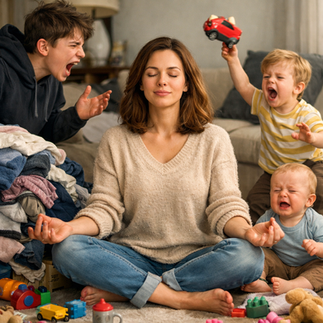
When you hear the word yoga, you probably picture silence, candles, and uninterrupted peace.


But if you’re a mum especially with multiple children your reality might look more like:

• A baby crying

• A toddler climbing on you

• Toys everywhere

• And a mind that just won’t switch off


So where does yoga fit into that?


Right in the middle of it.


What Yoga Really Is And What It Isn’t


Yoga isn’t about being flexible.

It isn’t about having a perfect routine.

And it definitely isn’t about having a quiet house.

Yoga is about connection.

Connection to your breath.

Connection to your body.

Connection to the present moment even when that moment feels messy.


In motherhood, yoga becomes less about poses…

and more about pausing.


Why Yoga Matters for Mums


When you’re constantly needed, touched, and overstimulated, your nervous system can stay in survival mode.


That’s when you might feel:

Snappy or overwhelmed

Mentally exhausted

Like you’re always “on edge”

Guilty for needing space

Yoga helps gently bring your body out of that state.


Even a few minutes of slow breathing or stretching can:

Lower stress levels

Reduce overstimulation

Improve patience

Help you respond instead of react

This isn’t about becoming a “perfect calm mum”…

It’s about giving your body a moment to reset.


Realistic Yoga for Real Life


Let’s remove the pressure.

You don’t need: ❌ A full hour

❌ Silence

❌ Fancy equipment

You can try: ✔ Stretching while your baby plays next to you

✔ Deep breathing during nap time (or even while holding your child)

✔ A simple pose while your toddler watches or joins in

✔ Lying on the floor for 2 minutes and focusing on your breath

This is what we call “mum yoga” — flexible, imperfect, and real.


Simple 3-Minute Reset (For Busy Mums)

If you only have a few minutes, try this:

1. Breathe (1 minute)

Inhale slowly through your nose…

Exhale through your mouth…

Let your shoulders drop.

2. Stretch (1 minute)

Reach your arms up, then gently fold forward.

No pressure just release.

3. Ground (1 minute)

Place one hand on your chest, one on your stomach.

Remind yourself:

“I am doing my best. I can slow down.”

That’s it. That counts.


Letting Go of Perfection


Some days yoga will look like a full stretch.

Some days it will look like taking one deep breath before you respond to your child.

Both are valid.

Because calm in motherhood isn’t about having everything under control

it’s about returning to yourself, again and again.

Final Thoughts

You don’t need to escape your life to feel calm.

You can create small moments of peace within it.

Even in the noise.

Even in the mess.

Even in the chaos.

And that’s where your power is.


  • TikTok

© 2025 by Kalm In Chaos.

Powered and secured by Wix

bottom of page